Trying to choose between a townhouse and a single-family home in Upper Makefield’s 18940? You want the right mix of space, maintenance, and long-term value, and you also need to weigh HOA fees, flood risk, and financing. This guide gives you a clear, local lens so you can match your lifestyle and budget to the right property type. You will learn how the Upper Makefield market is structured, what to verify before you buy or sell, and how to compare options side by side. Let’s dive in.
How Upper Makefield shapes your choice
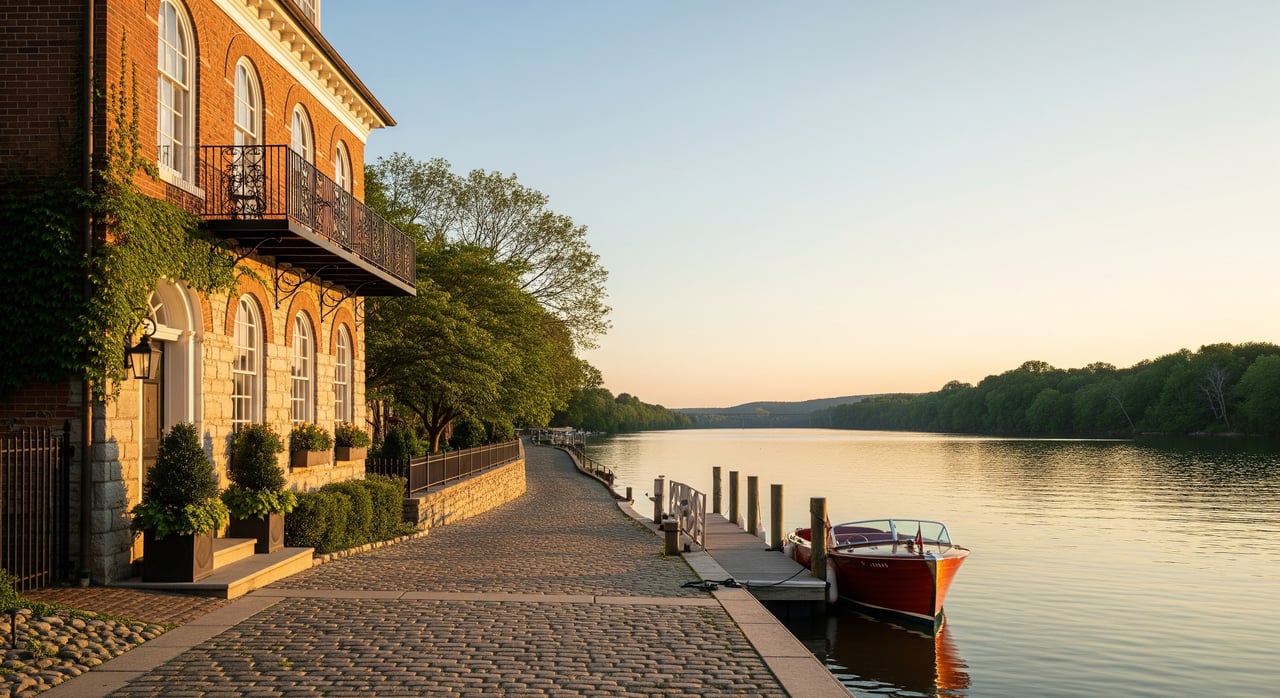
Upper Makefield is a semi-rural and suburban township along the Delaware River near Washington Crossing. You will find historic riverfront pockets, larger estate lots, and a few planned subdivisions near commuting routes. Many residents commute to Philadelphia, King of Prussia, or New Jersey, so access to I‑95, Route 1, and nearby bridges often drives demand.
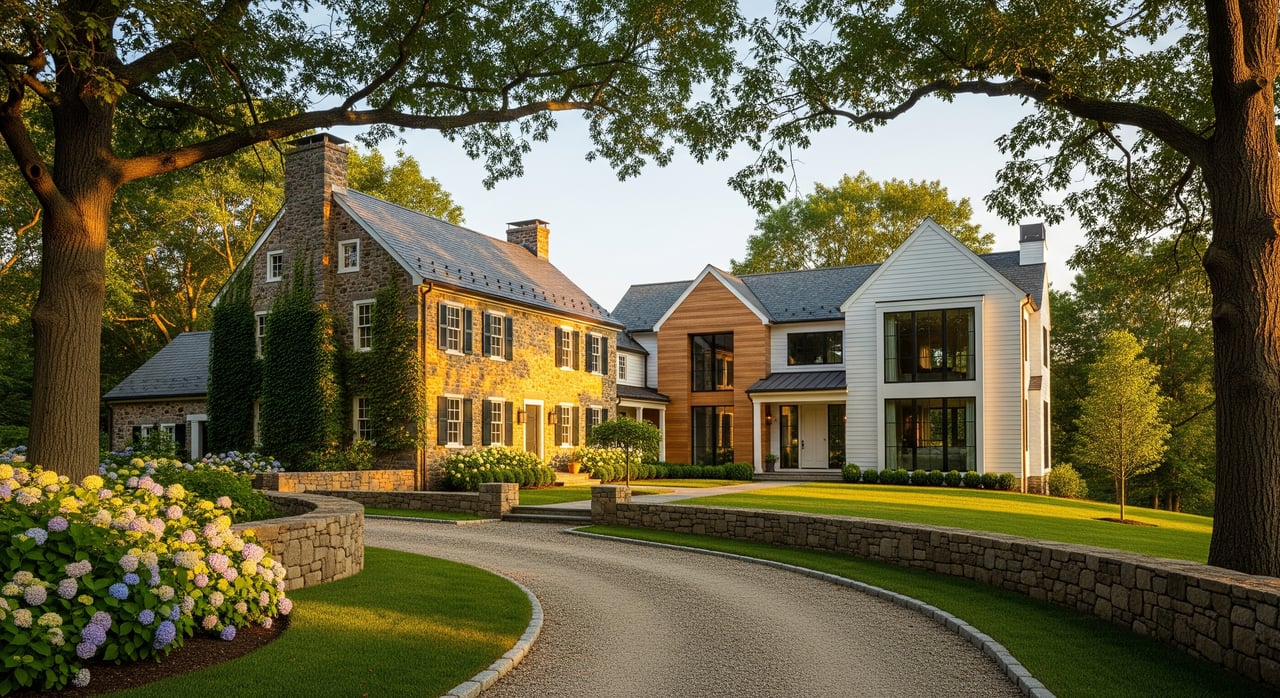
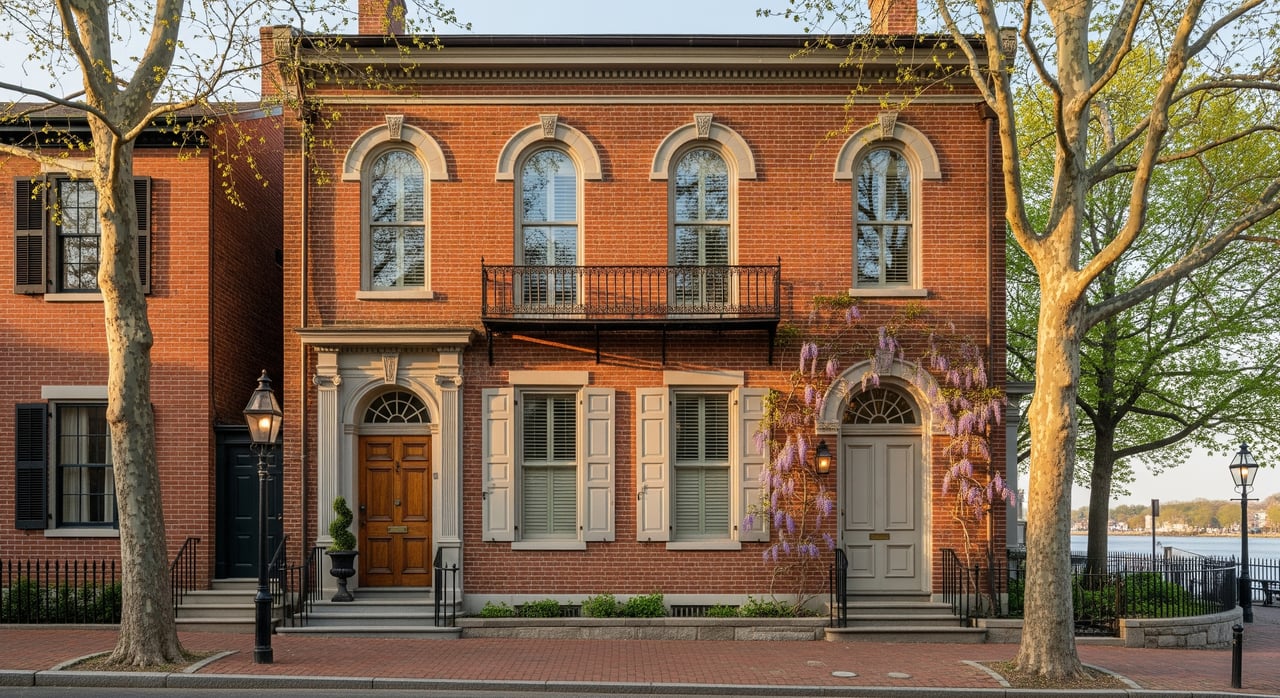
Detached homes dominate here, from historic farmhouses to newer estates on larger lots. Townhouses are less common within Upper Makefield itself. If you prefer an attached home, you may find more options in adjacent municipalities with planned developments near transit and commercial centers.
Space and layout
What you get with single-family
Single-family homes generally offer larger footprints, private yards, and detached garages. You get more flexibility to add on or build outbuildings, subject to zoning. If you want outdoor play space, room for pets, or the possibility of a pool or gardening, a detached home is usually the better fit.
What you get with townhouses
Most townhouses sit on smaller lots, with outdoor areas limited to a patio or small yard. Multi-level floor plans maximize living space per lot, and attached garages are common. Interior square footage can be comparable to smaller detached homes, but privacy and outdoor space are different.
Upper Makefield considerations
If walkability to river recreation or parks matters, some attached options near major corridors may still offer convenient access. If you want acreage and privacy, focus on the estate and rural sections of the township. Always confirm zoning and any local rules on expansions or accessory structures through the Upper Makefield Township official website.
Maintenance, costs, and lifestyle
Time and tasks
With a single-family home, you handle yard care, exterior upkeep, and in some cases private septic or well maintenance. Townhouse communities often shift exterior tasks to the HOA, so your ongoing chores can be lighter.
Operating costs
A good rule of thumb is to budget 1 to 3 percent of a home’s value annually for maintenance. Single-family homes typically fall on the higher side due to roofs, siding, landscaping, and larger driveways. Townhouses can reduce some of these costs if the HOA covers exterior elements, snow removal, or common landscaping. Always verify specific services in the HOA documents.
Local services to check
Look at trash and recycling collection schedules, public sewer versus septic, and who handles snow removal. Townhouses and some subdivisions may be on public sewer and include private street plowing through the HOA.
HOA fees, rules, and assessments
In Bucks County suburbs, HOA dues commonly range from about 100 to 500 dollars per month, depending on services and amenities. Confirm the current fee for the specific development, since dues vary widely. Typical HOA coverage includes common area maintenance, landscaping, snow removal, exterior insurance on shared elements, and contributions to reserves.
Ask to see the HOA’s budget, reserve study, recent meeting minutes, and any special assessments. Also review rules on exterior changes, rentals, and pets. These details affect your monthly costs, financing eligibility, and resale.
Taxes, insurance, and utilities
Property taxes
Property taxes vary by township, county, and school district. Always pull current tax data directly from the county. For parcel records and tax details, use the Bucks County Board of Assessment.
Home insurance
Single-family homes are typically covered by an HO‑3 policy. Townhouse insurance needs depend on the master policy. You may need an HO‑6 type policy for interior coverage or a tailored HO‑3 if the HOA handles some exterior elements. Confirm what the master policy covers before you bind your policy.
Flood risk
Parts of Upper Makefield near the Delaware River lie within FEMA flood zones. Lenders may require flood insurance in high-risk zones, and it can be a smart precaution in low-lying areas. Check a parcel’s status with the FEMA Flood Map Service Center and review township floodplain information.
Utilities
Townhouses are often on public water and sewer. Rural single-family properties may have private wells and septic systems. Factor in maintenance, inspection, and replacement timelines for these systems.
Financing and eligibility
Townhouses in associations can have additional lender requirements. Some loan types expect the association to meet investor standards for things like reserve funding, litigation status, and owner-occupancy levels. Review guidance from Fannie Mae on condo and project eligibility and HUD’s condominium resources if you plan to use FHA or certain other loan products.
Appraisals rely on comparable sales. Since Upper Makefield has fewer attached options, townhouse comps may come from nearby municipalities, which can affect valuation.
Resale and appreciation
Land value is a major driver of appreciation for detached homes, especially on larger lots with expansion potential. Townhouses can see steady demand from entry-level buyers, downsizers, and commuters who value lower maintenance and proximity to services. In a market where detached homes are the norm, single-family properties may transact more predictably. Townhouse resale can be influenced by HOA health, amenities, and the availability of recent comparable sales.
Quick decision guide
Choose a townhouse if you want:
- Lower exterior maintenance with HOA support.
- A potentially lower price point or monthly carrying cost.
- Proximity to commuting corridors and an easy-care lifestyle.
Choose a single-family if you want:
- A private yard for play, gardening, or pets.
- Flexibility to add space, subject to zoning.
- Strong long-term land value potential.
What to verify before you buy or sell
Use this checklist on any property you are considering.
Property specifics
- Lot size, location, and any flood zone designation. Confirm via the FEMA Flood Map Service Center.
- Age and condition of roof, HVAC, septic or well if applicable, and any recent improvements.
HOA documents
- Covenants and bylaws, the annual budget, and the most recent reserve study.
- Current dues, any special assessments, and meeting minutes.
- Master insurance policy coverage and owner responsibilities.
- Rules on rentals, pets, and exterior changes.
Taxes and services
- Current property taxes from the Bucks County Board of Assessment.
- Water and sewer source, trash pickup, and snow removal responsibility.
Zoning and development
- Zoning allowances for additions or accessory structures.
- Any planned road projects or nearby development that could affect value. Start with Upper Makefield Township Planning and Zoning.
Schools and boundaries
- Confirm attendance boundaries and review available state resources for performance at the Pennsylvania Department of Education.
Financing and insurance
- If buying a townhouse or condo, confirm the association’s eligibility for your loan type with your lender, using Fannie Mae or HUD guidance as needed.
- Confirm homeowner’s and flood insurance requirements for the specific parcel.
How to compare two homes side by side
Create a quick sheet for a townhouse and a single-family home in the same micro-market. Include:
- Purchase price and price per square foot.
- Lot size or outdoor space.
- Monthly carrying costs: taxes, HOA dues, estimated utilities.
- Age of major systems and recent capital improvements.
- Commute times to your primary destinations.
- School assignment and any flood zone flags.
This snapshot helps you see trade-offs clearly and avoid surprises after you are under contract.
Work with a local advisor
Your best choice depends on lifestyle, budget, and risk comfort. In Upper Makefield, small details like flood maps, HOA reserves, and township services can tip the scales. If you want a calm, informed process, partner with a local expert who can pull accurate comps, coordinate inspections, and negotiate the right terms. For sellers, thoughtful preparation and polished marketing can spotlight lot size, privacy, or HOA benefits and help you reach the right buyers.
If you are weighing townhouse versus single-family in 18940, connect with Nick Esser for local guidance, hands-on listing prep, and responsive buyer representation.
FAQs
What are the main differences between townhouses and single-family homes in Upper Makefield?
- Single-family homes offer larger lots and more privacy, while townhouses trade outdoor space for lower exterior maintenance through an HOA.
How much are typical HOA dues for Bucks County townhouses?
- Dues commonly range from about 100 to 500 dollars per month depending on services and amenities, but you should verify the current fee and coverage for each community.
How can I check flood risk for a home near the Delaware River?
- Use the FEMA Flood Map Service Center to look up the parcel and confirm whether flood insurance will be required by your lender.
Do townhouses have different financing requirements than detached homes?
- Some loan programs require the association to meet investor guidelines, so buyers should confirm eligibility with their lender and review Fannie Mae or HUD resources.
What due diligence should I do before making an offer in 18940?
- Pull tax data from Bucks County, review HOA financials if applicable, confirm zoning and flood status, and compare two recent comps in the same micro-market by property type.