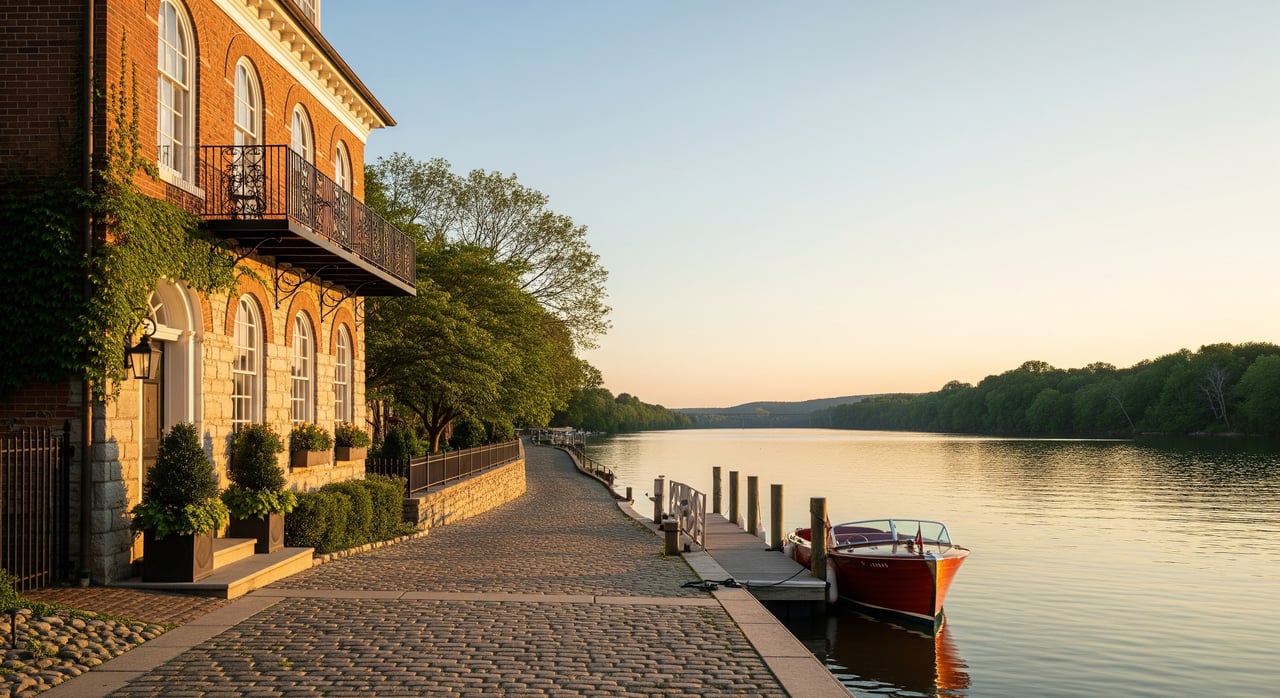
Trying to choose between New Hope and Lambertville? You are not alone. These two Delaware River towns sit steps apart and offer a similar charm with distinct day-to-day tradeoffs. In this guide, you will compare housing, walkability, culture, commuting, taxes, schools, and flood risk so you can pick the side that best fits your lifestyle and long-term plans. Let’s dive in.
Snapshot: two towns, one river
Both New Hope, PA and Lambertville, NJ are historic, walkable towns with galleries, restaurants, and a shared tourism draw. You will find theatre, antiques, and a strong arts scene on both banks. New Hope is widely known for its theatre and nightlife, while Lambertville is often quieter with a refined antiques and gallery mix. The biggest practical difference for many buyers is the property tax burden and state rules you will live under after you choose a side.
Housing: styles and price signals
New Hope homes
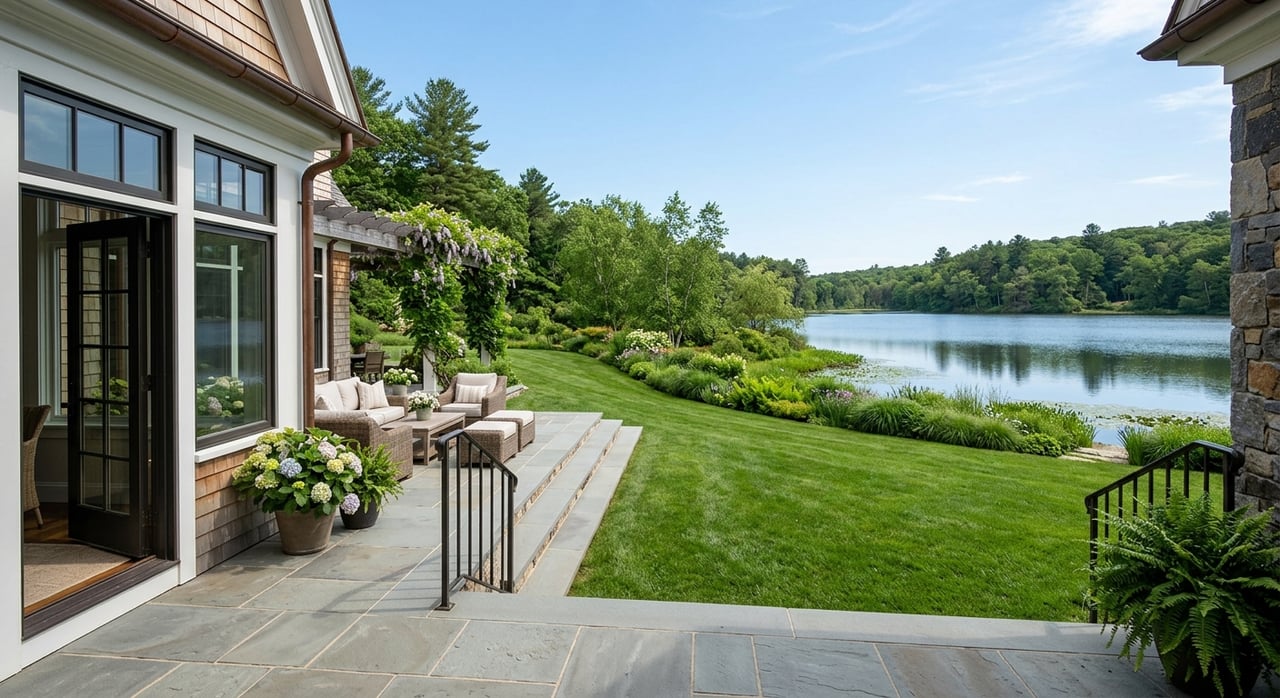
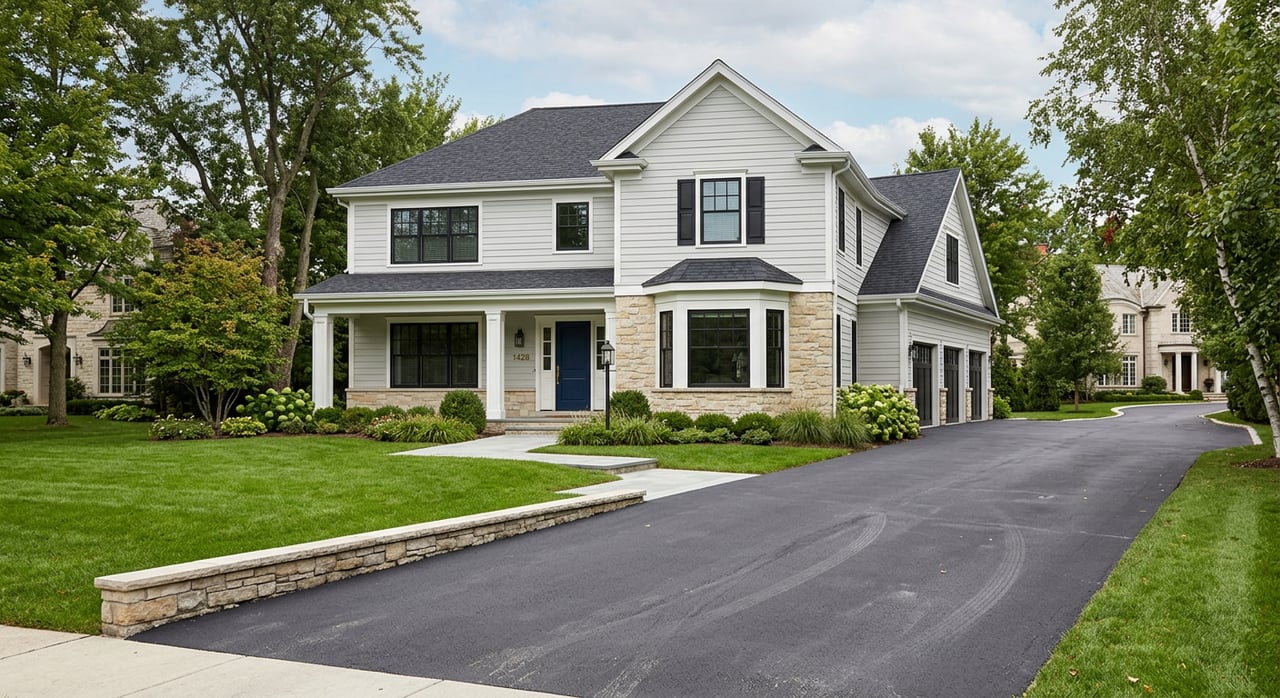
In New Hope, you will see compact historic rowhouses and cottages in the borough, with Victorian and Federal styles throughout. Converted mill buildings add character downtown, while nearby New Hope-Solebury and surrounding townships offer modern single-family homes on larger lots. Downtown homes with river views or careful restorations often command premium prices per square foot.
Lambertville homes
Lambertville features brick Federal and Victorian-era homes, canal and mill buildings, and some newer infill on established streets. Lots can be slightly larger just outside the core, with stone farmhouses on nearby parcels. As in New Hope, walkable locations and historic charm typically carry a premium.
Renovation and maintenance
Many historic homes in both towns require ongoing care. Plan to evaluate roofs, foundations, mechanicals, and any older systems that may include lead-based finishes or outdated wiring. If you are comparing two homes across the river, factor renovation scope, timeline, and carrying costs into your total budget.
Ownership rules and reviews
Some downtown condos or conversions have association rules that affect rentals, renovations, and exterior elements. Both towns use historic district and architectural review processes, which can limit exterior changes. Before you make an offer, confirm whether the property sits in a historic district and request all relevant design guidelines.
Short-term rental reality
Short-term rentals and B&Bs exist on both sides, thanks to strong tourism. Local ordinances change, and municipalities may restrict short stays or require permits. Always verify current rules with the borough office if you plan to rent.
Walkability, parking, and errands
Both downtowns are very walkable, with clustered shops, galleries, and riverfront access. Outlying residential blocks feel quieter but less walkable to daily needs. On-street parking and municipal lots are limited and weekends bring more congestion. Plan for a short drive to full-service grocery stores and larger retail options in nearby towns.
Arts, dining, and nightlife
New Hope is known for its theatre, anchored historically by the Bucks County Playhouse, and for an active evening scene. Lambertville shines for antiques, galleries, and boutique retail, with a calmer pace many residents prefer. Both towns enjoy strong dining across bistros and riverfront venues. Events and festivals bring energy in warm months and holidays, which some buyers love and others find challenging.
Liquor and retail beverage rules differ by state, and that can affect where you buy wine and spirits. If convenience is a priority, confirm how each state’s retail regulations align with your shopping habits.
Commuting and regional access
Neither town has commuter rail in the downtown core. The nearest high-capacity hub is Trenton Transit Center, with Amtrak, NJ Transit, and SEPTA connections. Many New York City commuters drive to Trenton or Princeton Junction, then take express rail. Philadelphia commuters often drive 35 to 60 minutes depending on destination and traffic, or connect via SEPTA through Trenton. Always test your commute at peak hours for a realistic door-to-door time.
Broadband reliability is a priority for remote workers. Service can vary block by block, so confirm fiber or cable options at the specific address. The walkable bridge between the towns makes quick cross-river trips easy, but seasonal maintenance or heavier pedestrian traffic can affect timing.
Taxes, schools, and ongoing costs
Property tax structures differ by state. New Jersey generally has one of the highest property tax burdens in the country, which often means Lambertville homes carry larger annual tax bills compared with similar assessed values in New Hope. Pennsylvania’s state income tax is a flat rate, while New Jersey uses a progressive schedule. Retail tax rules differ between states as well. To avoid surprises, review recent property tax bills, verify assessments, and run a full annual cost comparison before finalizing your budget.
New Hope is served by the New Hope-Solebury School District, which is recognized regionally for strong performance. Lambertville is part of a New Jersey district structure that can include sending and receiving arrangements. Because school policies and performance reports can change, review district maps, state report cards, and current enrollment guidelines for the address you are considering.
Your ongoing costs will include utilities, any flood insurance required by the lender, municipal fees, and maintenance typical of older homes. For downtown buyers, factor potential parking permits and event-season impacts.
Flood risk and insurance
Both towns sit on the Delaware River and some parcels are in FEMA Special Flood Hazard Areas. Historic downtown blocks and riverfront properties are more likely to be mapped in higher-risk zones. Before you write an offer, request the FEMA flood map for the parcel, an elevation certificate if available, and any seller history of flood claims or mitigation projects. Obtain flood insurance quotes early and understand lender requirements. Where available, community floodplain programs and mitigation can affect premiums.
Zoning, historic districts, and permits
Both boroughs have historic districts and review boards that guide exterior alterations. Additions and new construction face more scrutiny within these districts. Check municipal zoning maps to see what is permitted on your lot, confirm setbacks, and get clarity on accessory structures. If you plan to operate a short-term rental or home-based business, verify permit rules in your chosen municipality and state.
Municipal services and healthcare
Garbage, recycling, water, sewer, and stormwater arrangements vary by block. Some properties tie into borough sewer and water, while others may rely on private systems in outlying areas. Confirm service types and costs for the specific address. Regional hospitals are within a reasonable drive in multiple directions, and emergency response in borough centers is typically fast. If response times and coverage matter to you, ask for verification of ambulance and fire service areas.
Which town fits your lifestyle
Choose New Hope if you want a vibrant theatre presence, more nightlife, and the Pennsylvania tax structure. Choose Lambertville if you prefer a slightly quieter feel with an antiques-forward retail mix and do not mind New Jersey’s tax environment. If being near the center of activity excites you, a property in either downtown core can be rewarding. If you want more space and easier parking, consider residential streets just outside the core on either side.
Decision checklist
- Confirm the past three years of property tax bills and any pending assessments for each address you are considering.
- Confirm the school district, current enrollment policies, and the latest state performance reports.
- Pull the FEMA flood map for the parcel, request an elevation certificate, and get a flood insurance quote before you commit.
- Visit at peak tourist times and on a quiet weekday to compare noise, parking, and overall pace.
- Test your commute at the exact hours you will travel and review schedules at your preferred rail hub.
- Confirm historic district status, design guidelines, and any zoning constraints for planned renovations.
- Verify utilities by address, including water, sewer, trash, and broadband providers.
How we help you compare
You should not have to guess your way through a cross-river decision. With local knowledge of both towns, we help you verify taxes, evaluate flood and renovation risk, and test the lifestyle you want street by street. From contractor walk-throughs to association rule checks, you get a clear picture before you bid. If you want a process that feels thorough and calm, we are ready to help you compare New Hope and Lambertville and line up the right home and budget.
Ready to talk next steps, see on and off-market options, or set up a town-by-town tour? Reach out to Nick Esser for tailored guidance.
FAQs
Which town is more walkable in daily life?
- Both downtown cores are highly walkable, while outlying residential streets on either side are quieter and less walkable to errands.
How do property taxes compare across the river?
- New Jersey generally has a higher property tax burden than Pennsylvania, so Lambertville purchases often carry larger annual tax bills than similar homes in New Hope.
What is the best commute plan to New York City?
- Many buyers drive to Trenton or Princeton Junction to access NJ Transit or Amtrak express service, then return by car at off-peak times.
How should I check flood risk before I buy?
- Review the FEMA flood map, request an elevation certificate, ask for the seller’s flood claim history, and get an insurance quote before signing.
Are short-term rentals allowed in these towns?
- Both towns attract short-term renters, but rules differ and can change. Verify current municipal ordinances and permitting before you buy.
What should I know about schools on each side?
- New Hope is in New Hope-Solebury School District, while Lambertville is in a New Jersey district structure. Confirm boundaries, enrollment policies, and current state report cards for the specific address.