Thinking about a home with original wood floors, tall windows, and a front porch where you can watch the town go by? In Lambertville, you can find that charm in a walkable river‑town setting. The tradeoff is knowing how to evaluate older construction, local rules, and flood risk before you buy. This guide walks you through what to expect, how to do smart due diligence, and the steps to take so you can close with confidence. Let’s dive in.
Why Lambertville draws historic buyers
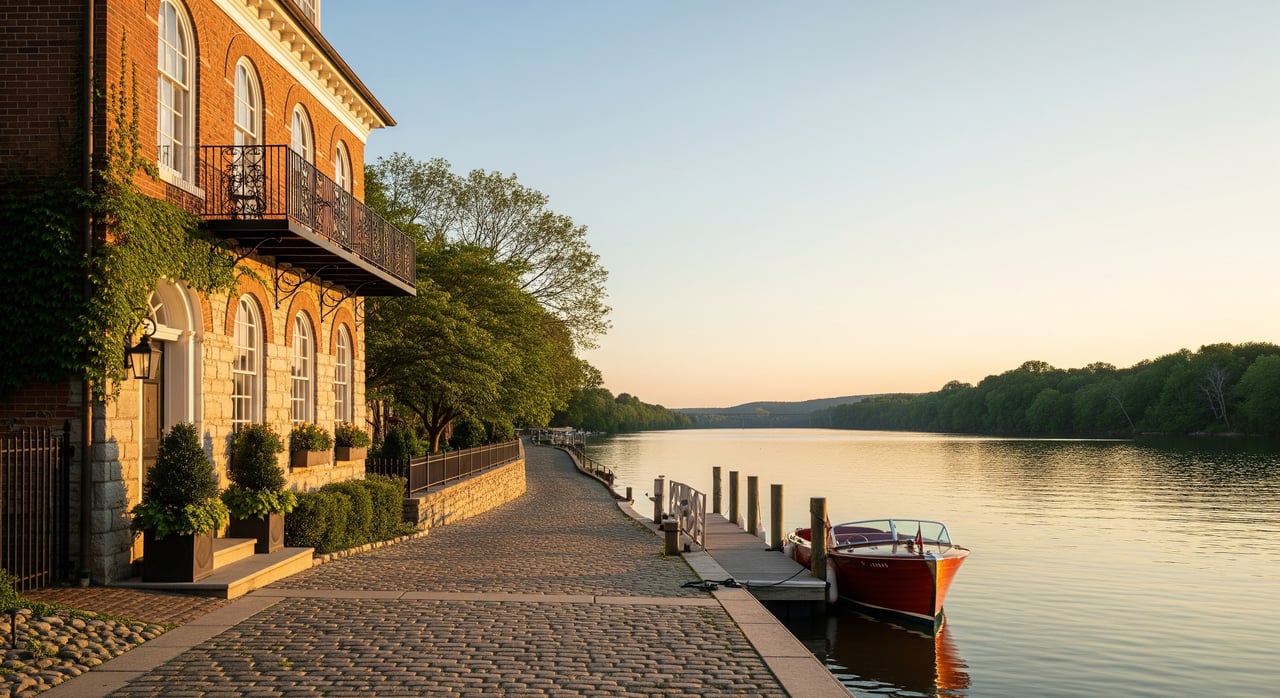
Lambertville’s housing stock reflects 18th and 19th century growth. You’ll see a mix of downtown commercial‑residential buildings, narrow‑lot single‑family homes, and properties near the Delaware River and Canal. Many buyers come for character, village walkability, and proximity to New Hope and regional corridors.
Expect an active lifestyle backdrop. Galleries, antique shops, restaurants, and seasonal events make the downtown hum. That energy can support second‑home demand and, in some cases, short‑term rental interest, though local rules still apply.
What to expect inside and out
Architectural styles you’ll see
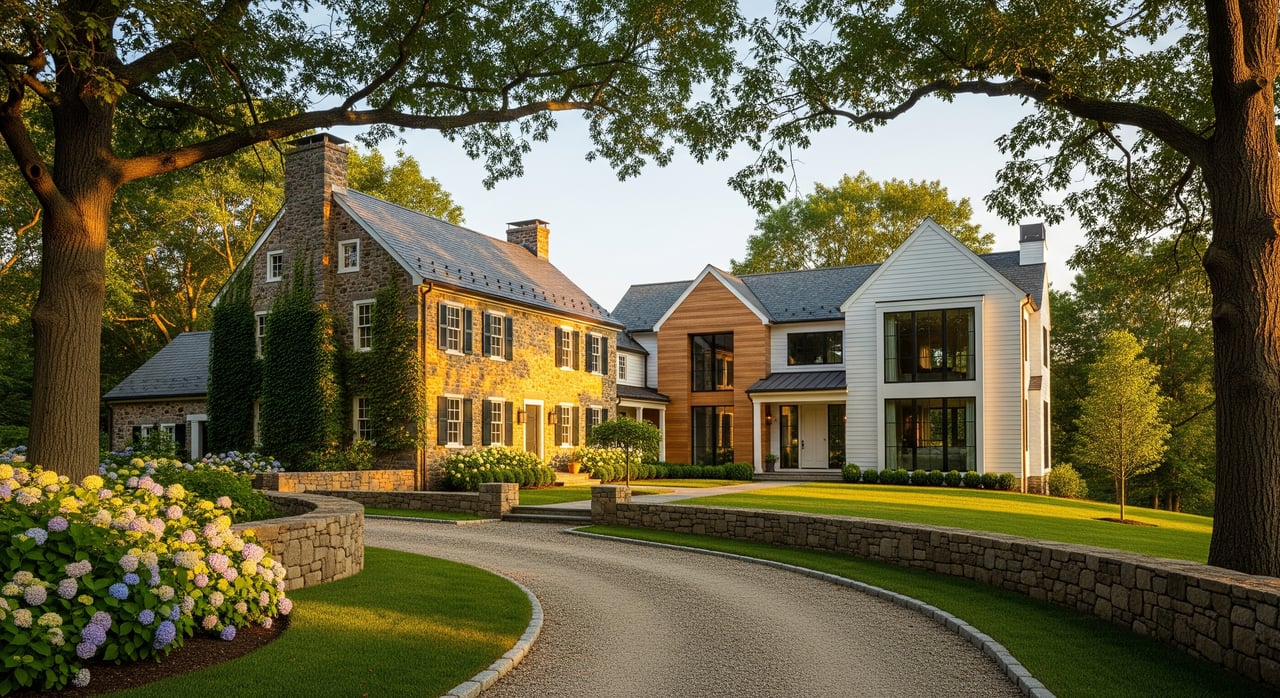
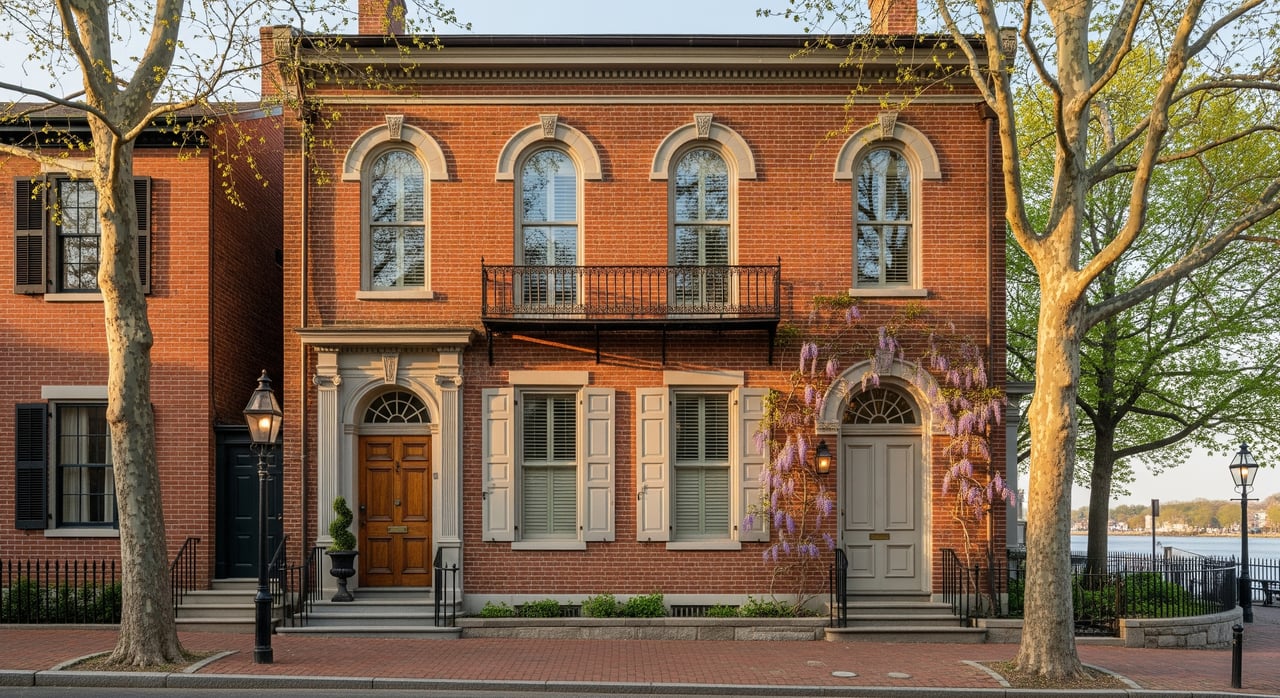
You’ll encounter a range of historic styles rather than one dominant type. Common examples include Federal, Greek Revival, Victorian variants like Italianate and Second Empire, Colonial Revival, and late 19th‑century vernacular forms. Facades can be wood clapboard or brick, often with decorative cornices, porches or stoops, and traditional window proportions.
Interior and exterior details
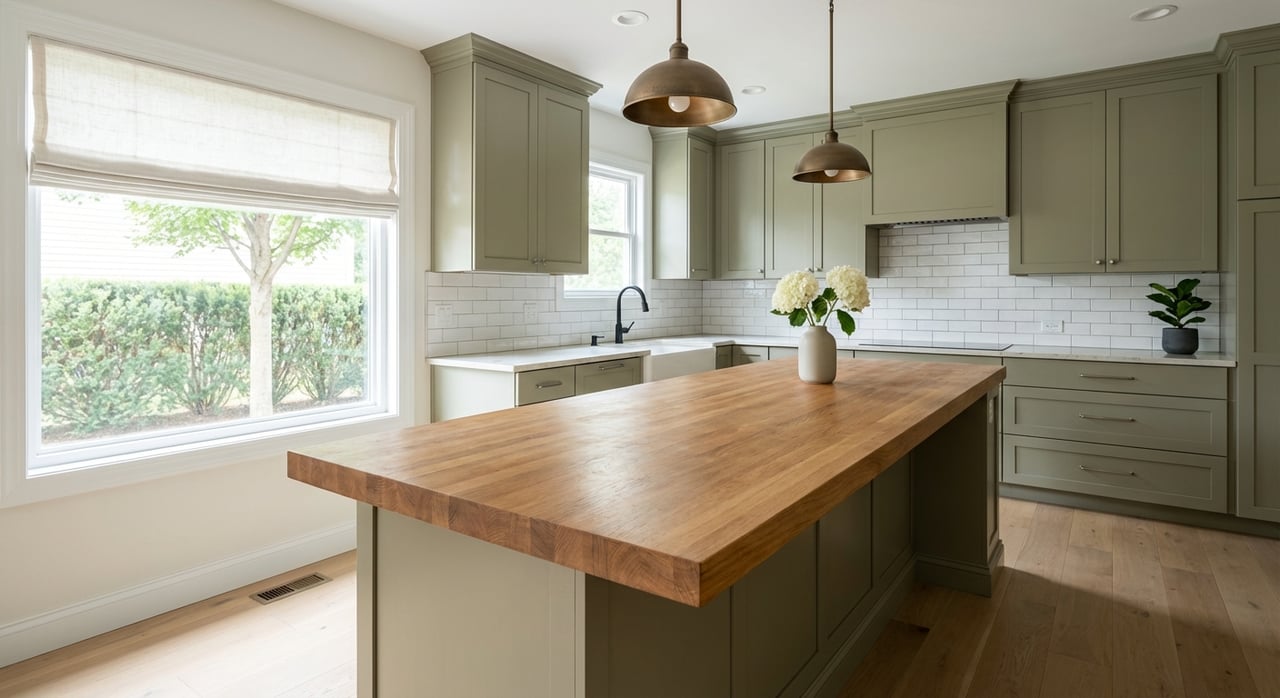
Look for original elements such as plaster walls, detailed moldings, millwork, wood floors, high ceilings, pocket doors, older staircases, and fireplaces. Many homes retain transoms, shutters, and original front doors. Roofs may be slate or standing‑seam metal, and masonry or chimneys might need specialist care over time.
Systems and environmental realities
Older mechanicals are common. You may find boilers and radiators, legacy wiring, and limited insulation. Windows can be single‑pane, which hurts energy performance without upgrades. Lead‑based paint is a risk in pre‑1978 homes, and asbestos can be present in older insulation, flooring, or boiler components. Basements and crawlspaces may be damp, especially on river‑town parcels.
Lot size, parking, and outbuildings
Historic lots are often narrow with small garden yards. Parking can be limited. Ancillary structures like carriage houses, sheds, and cellars pop up in older properties, each with its own condition and permitting considerations.
Do your homework before you offer
Focus on verification, not assumptions. A thorough pre‑offer review can save time and negotiation bandwidth later.
- Verify historic status and overlays:
- Ask whether the home lies in a local historic district, is subject to a preservation easement, or is listed on the National Register.
- Contact Lambertville’s municipal planning or historic preservation staff to confirm boundaries and review triggers.
- Check flood risk and elevation:
- Review FEMA Flood Insurance Rate Maps and the National Flood Hazard Layer.
- Request an Elevation Certificate if available and ask about any history of flooding or claims.
- Review property records and taxes:
- Pull the Hunterdon County tax assessor’s parcel record for assessed value and tax history.
- Ask for recent utility bills to estimate operating costs.
- Search for recorded easements, rights‑of‑way, or conservation/preservation encumbrances.
- Confirm permits and renovation history:
- Request permits, certificates of occupancy, and records for major systems like roof, HVAC, electrical, and plumbing.
- Unpermitted work can complicate financing and approvals.
- Understand zoning and parking:
- Check allowed uses, accessory units, short‑term rental rules, setbacks, and lot coverage.
Inspections you should schedule
Older homes benefit from a layered inspection approach. Bring in generalists and, where needed, specialists who know historic construction.
General and structural reviews
Start with a licensed home inspector experienced with older homes. If the report flags foundation movement, framing concerns, or severe settlement, hire a structural engineer to assess scope and safety.
Specialty inspections that matter
- Pest and wood‑destroying organism inspection for termites or borers
- Chimney and fireplace inspection, especially for historic masonry
- Sewer or septic evaluation with a camera or flow test if applicable
- Mold and moisture assessment if dampness or odors are present
- Lead‑based paint risk assessment and required disclosures for pre‑1978 homes
- Asbestos survey for suspect materials before any demolition or disturbance
Consider a historic‑property specialist
A preservation‑savvy architect or contractor can estimate the cost of sensitive repairs and help balance preservation with modernization. Their input can inform offers and post‑inspection negotiations.
Flood risk and insurance basics
River proximity is part of Lambertville’s appeal, but it adds risk that you should quantify early. If a property sits in a Special Flood Hazard Area, lenders typically require flood insurance. Obtain quotes from the National Flood Insurance Program or private carriers and understand coverage limits and premiums. An Elevation Certificate, if available, helps refine rates and mitigation planning. Always ask the seller about prior flooding or insurance claims.
Financing options to explore
Many lenders finance historic homes, though they may have stricter condition requirements. Renovation loans can roll repairs into one package. Options to discuss with lenders include conventional mortgages, FHA 203(k), and Fannie Mae HomeStyle. For exterior rehabilitation, look into state or local preservation programs that may offer grants or loans, and verify availability with the New Jersey Historic Preservation Office and municipal staff.
Rules, permits, and approvals
Historic exteriors are often subject to local review, especially changes visible from public areas. Expect to apply for a Certificate of Appropriateness or similar approval for exterior work if the property is in a local district. Building permits and modern code upgrades can apply to electrical, egress, and other work. Riverfront or wetlands proximity may trigger additional state or county approvals. For pre‑1978 homes, federal rules require lead hazard disclosures for buyers and specific practices for renovations that disturb lead paint.
Ownership expectations and costs
Maintenance profile and recurring care
Plan for higher ongoing maintenance than a newer home. Historic materials like wood siding and slate or metal roofs often require specialist trades. Exterior painting cycles are important to protect wood and prevent moisture intrusion. Historic window repair can be cost‑effective when paired with weatherstripping and storm windows, but full replacement to a historically appropriate product is usually pricey.
Budgeting and contingency planning
It is common to set a larger contingency for older homes. Depending on condition, buyers often reserve 10 to 25 percent of the purchase price or renovation budget for unknowns and upgrades. Specialty materials and skilled trades can run 1.5 to 3 times the cost of standard work. Operating costs such as heating and insurance may start higher and drop after targeted upgrades.
Balancing preservation with modernization
Exterior changes visible from public ways may be limited by local rules. Interiors often offer more flexibility, but many owners still opt to preserve character elements like moldings, floors, and windows. Decide early which features you want to prioritize and where you will integrate modern kitchens, baths, and systems. When touching historic fabric, look for contractors who work to the Secretary of the Interior’s Standards or local guidance.
Resale, marketability, and lifestyle
Historic homes in walkable river‑towns attract buyers who value character and location. That niche can support strong resale, though some buyers are deterred by maintenance needs. Second‑home and lifestyle‑focused purchasers often pay a premium for proximity to downtown amenities and river views. Short‑term rental potential may exist in tourist areas, but always confirm local rules and any HOA or district restrictions before you count on that income.
Step‑by‑step timeline for buyers
- Initial research
- Confirm historic designation and flood zone status.
- Request key documents from the seller or listing agent.
- Pre‑offer preparation
- Obtain early insurance quotes and lender pre‑approval.
- Consider a property condition assessment if you anticipate a competitive offer.
- Offer and inspection period
- Schedule general and specialty inspections quickly.
- Collect permits and renovation records from the seller.
- Post‑inspection planning
- Secure contractor quotes for necessary work.
- Confirm feasibility and timing of any historic approvals.
- Finalize homeowners and flood insurance coverage.
- Closing preparation
- Confirm clear title and review any easements or covenants.
- Line up permits for planned projects.
- Set aside contingency funds for unknowns.
Ready to explore Lambertville?
Buying a historic home here is as much about due diligence as it is about charm. With clear expectations, the right inspections, and a plan for maintenance and approvals, you can protect your investment and enjoy the lifestyle that makes Lambertville special. If you want a local, process‑driven partner to help you evaluate options, coordinate vendors, and negotiate with confidence, connect with Nick Esser.
FAQs
How do I know if a Lambertville property is historic?
- Ask the municipal planning or historic preservation staff whether the home lies in a local district, has a preservation easement, or appears on the National Register, and request any available documentation.
Do I have to restore original features in a Lambertville home?
- Local review typically focuses on exterior changes visible from public areas; interior preservation is usually your choice. Confirm specifics with the municipal historic commission.
What are the biggest inspection priorities for older homes?
- Start with a licensed inspector experienced in historic homes, then add structural, chimney, sewer/septic, pest, moisture/mold, lead paint, and asbestos evaluations as indicated by the property.
How can I check flood risk before I buy?
- Review FEMA flood maps and the National Flood Hazard Layer, request an Elevation Certificate if available, and ask the seller for any flood or insurance claim history.
What financing options can help with renovations?
- Discuss conventional mortgages and renovation programs such as FHA 203(k) or Fannie Mae HomeStyle with local lenders, and ask the New Jersey Historic Preservation Office about any current grants or loans.
Is flood insurance required for Lambertville homes near the river?
- If the property is in a FEMA Special Flood Hazard Area and you use a regulated mortgage lender, flood insurance is typically required. Coverage can still be worth considering outside mapped zones.