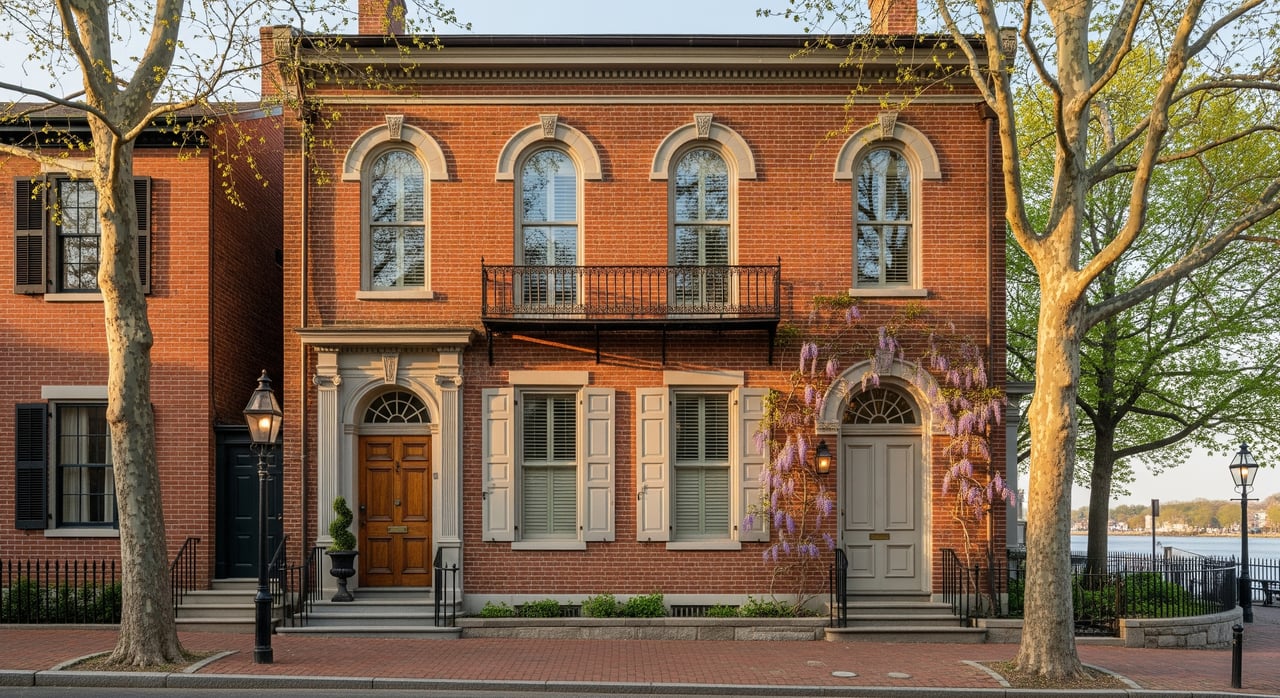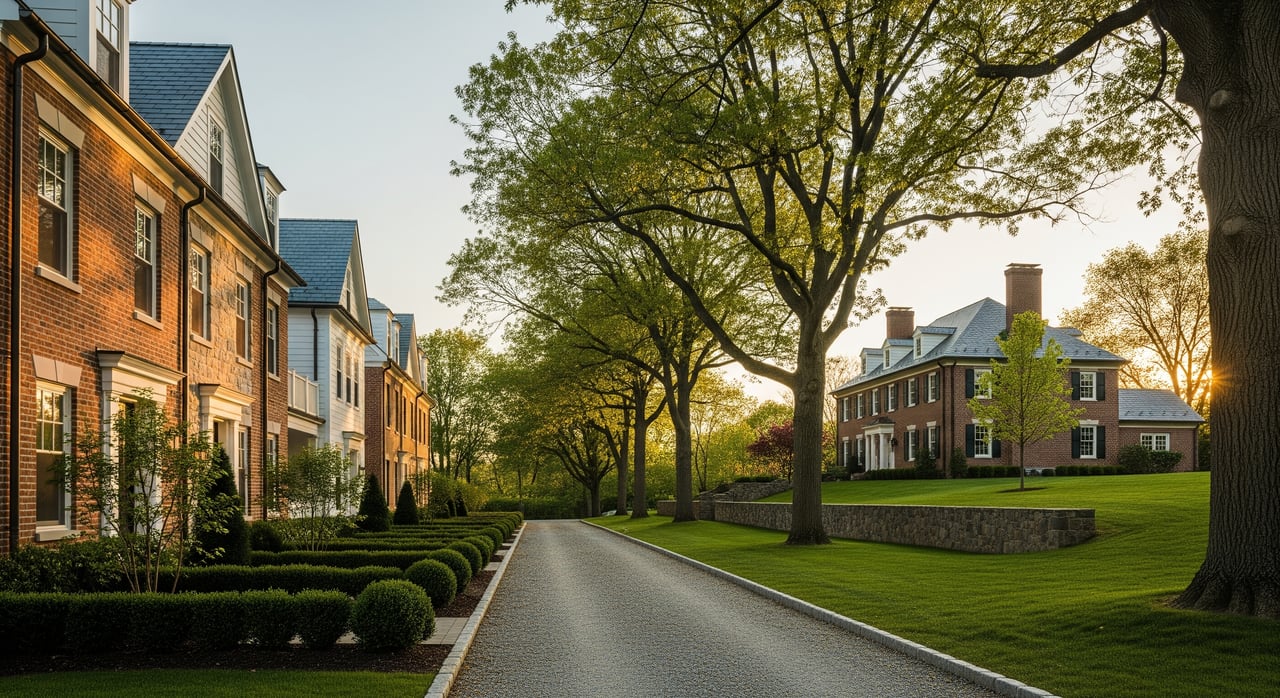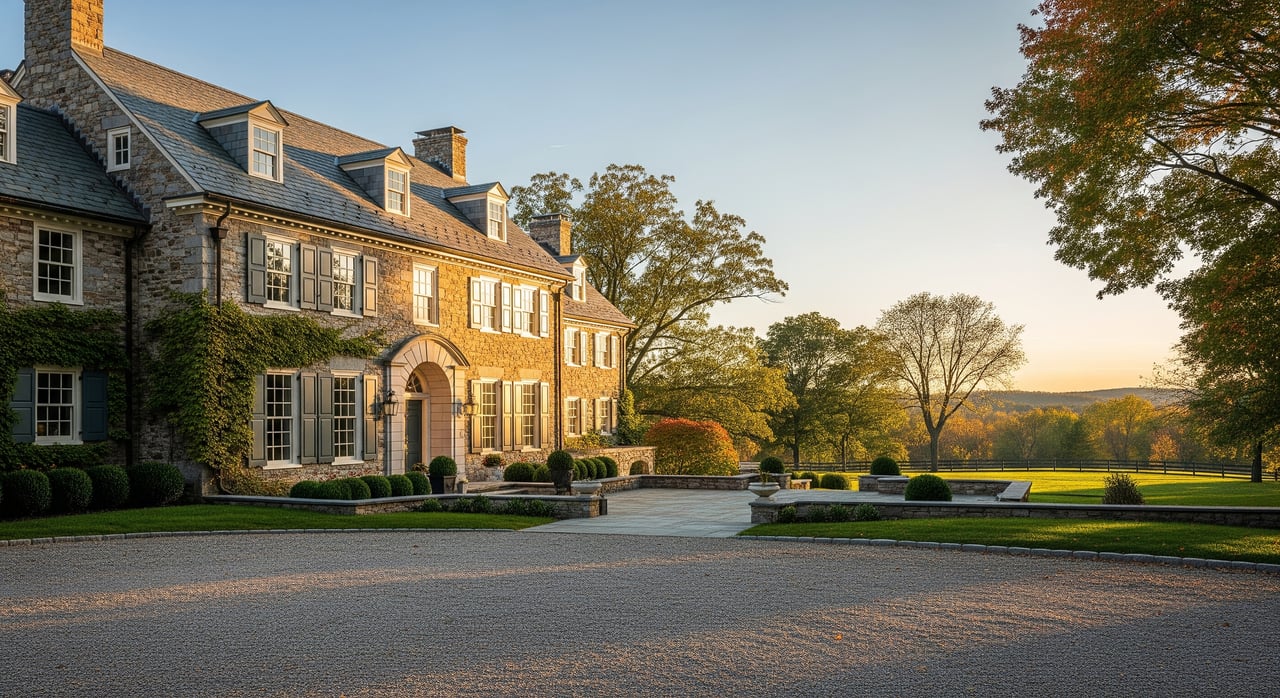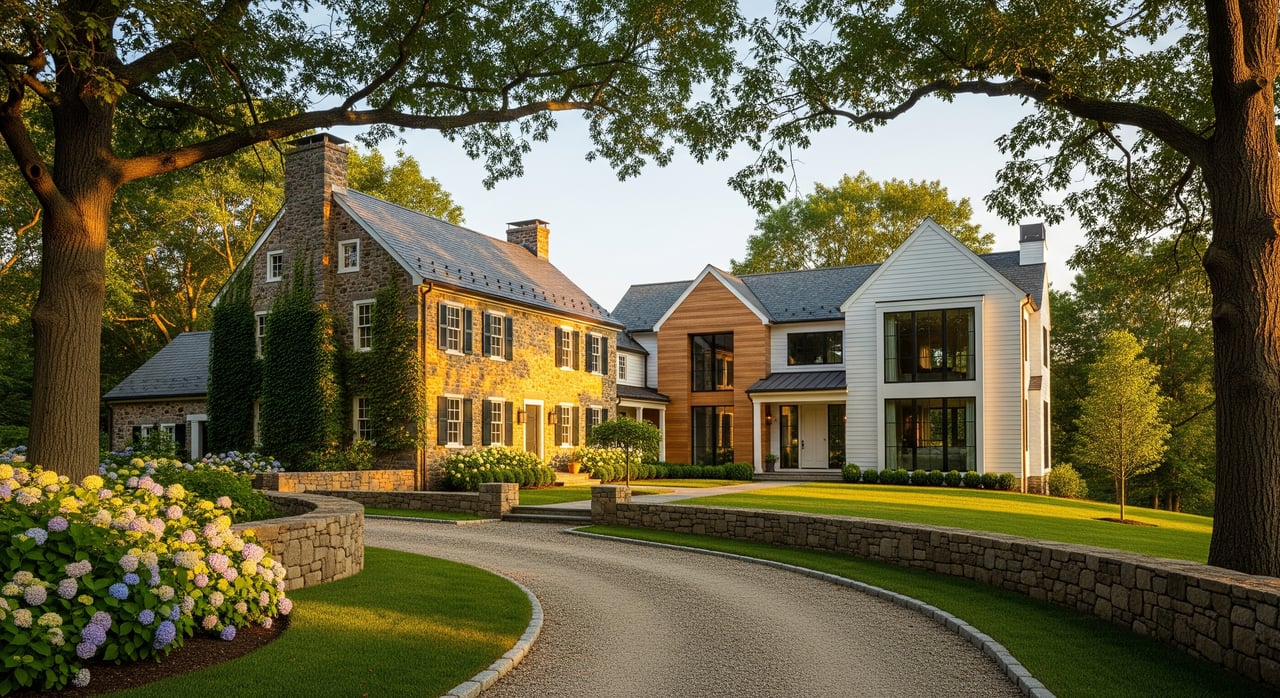
Torn between a brand-new build in Solebury and a stone farmhouse with 200 years of stories? You are not alone. You want the right mix of lifestyle, maintenance, and long-term value in the 18938 area. In this guide, you will learn the real pros and cons of new construction and historic homes in Solebury so you can buy with confidence. Let’s dive in.
How Solebury’s housing stock shapes your choice
Solebury Township offers a blend of village cores, farmsteads, and historic stone and wood homes, with limited newer construction on infill lots or small subdivisions. Local zoning, environmental protections, and on-site septic and well requirements limit large-scale development, which affects where and how new homes are built. For permitting, wells and septic guidelines, and zoning, consult the Solebury Township municipal site.
Demand is also shaped by proximity to New Hope’s cultural amenities and the Delaware River, which appeals to buyers of both historic properties and luxury new builds. Regional guidance on land use and growth comes from the Bucks County Planning Commission. Families often verify attendance boundaries and transportation through the New Hope–Solebury School District as part of planning.
New construction in Solebury: what to expect
Features buyers love
- Open floor plans, larger kitchens, en suites, and practical mudrooms or laundry rooms.
- Modern systems and materials, including current-code insulation, HVAC, wiring, and PEX plumbing.
- Builder warranties that cover structural and mechanical items for defined periods.
- Lower immediate maintenance since roofs, systems, and finishes are new.
Energy efficiency and performance
New homes are typically built to current energy codes adopted in Pennsylvania, so they usually outperform older homes on energy use and comfort. You can also look for upgrades like higher-efficiency HVAC, air sealing, and ENERGY STAR appliances. Ask the builder for energy verification, such as blower-door or duct testing results and any certifications from programs like ENERGY STAR for New Homes.
Maintenance and lifecycle costs
Expect minimal urgent repairs in the early years, with some typical break‑in items like settling cracks or finish touch-ups. Landscaping on new lots can require extra investment as trees and plantings mature. Review warranty coverage carefully, since cosmetic items or minor leaks may have limited terms.
Financing and timing for new builds
If you are building custom, you may use construction financing with draw schedules that convert to a permanent mortgage at completion. Appraisals rely on recent sales and specs, which can be sensitive in a tight market or with unique custom designs. Timelines depend on builder schedules and permit inspections, so allow adequate lead time for move-in.
Permits and site constraints
New construction in Solebury typically requires approvals for lot disturbance, stormwater, and septic and well permits. Historic districts or preservation easements can shape exterior design. Check current requirements through the Solebury Township building and zoning office.
Historic homes in Solebury: what to expect
What draws buyers
Historic Solebury homes stand out for fieldstone exteriors, original millwork, exposed beams, and wide-plank floors. Many sit on scenic parcels or in established neighborhoods with mature landscaping. The architecture and sense of place hold strong appeal if you value character.
Common inspection and repair priorities
Older properties can present foundation settling or mortar deterioration, moisture in basements, and aging or original windows and doors. Electrical, plumbing, and heating systems may need updating, and some homes can include lead-based paint or asbestos in older materials. Hire a home inspector who understands older houses and add specialized evaluations as needed; the American Society of Home Inspectors outlines standards and checklists to guide your process.
Energy retrofit potential
Historic homes often use more energy, but many respond well to targeted upgrades. Effective strategies include air sealing and insulation that respect the original building fabric, careful storm window use or historic window retrofits, and high-efficiency heating and cooling. For planning and best practices, review guidance from the Pennsylvania Historical & Museum Commission and the National Park Service’s National Register resources.
Preservation rules and incentives
Exterior changes can be reviewed in designated historic districts, and preservation easements may limit certain alterations. While federal rehabilitation tax credits focus on income-producing properties, local or state programs vary by year. Confirm current rules and timelines with the township and relevant preservation organizations, starting with the Pennsylvania Historical & Museum Commission.
Financing and insurance
If you plan renovations, purchase-plus-renovation loans or programs like HUD’s 203(k) can help fund updates. Insuring historic homes can be different because replacement-cost estimates for period materials can affect premiums. It helps to work with lenders and insurers experienced with older properties.
Cost and lifestyle trade-offs at a glance
- Upfront price vs. total ownership: New homes often cost more upfront but have lower near-term repairs. Historic homes may have more immediate maintenance or retrofit costs.
- Layout and daily living: New builds usually offer open plans, storage, and flexible spaces. Historic homes can have more compartmentalized rooms and distinctive details that shape how you use the home.
- Energy and comfort: New construction is typically more efficient from day one. Historic homes can be improved with careful upgrades, but planning and budget matter.
- Flexibility to renovate: New homes are usually simpler to customize. Historic properties may be subject to review or easements that guide exterior changes.
Your decision checklist
For any Solebury home
- Order a full home inspection and, if applicable, septic inspection and well water test.
- Review maintenance records, permits, renovation receipts, and any warranties.
- Confirm utilities, tax rates, and school district details with the New Hope–Solebury School District and municipal offices.
If you are buying new construction
- Review the builder’s warranty and clarify what is structural versus cosmetic.
- Request mechanical specs, insulation values, and any energy testing or certifications such as ENERGY STAR.
- Clarify landscaping, grading, and drainage responsibilities after settlement.
- For custom builds, understand the construction contract, change-order process, and draw schedule.
If you are buying a historic home
- Verify if the property sits in a historic district or has an easement; ask for rules and review processes through the township and the Pennsylvania Historical & Museum Commission.
- Budget for specialty trades like masonry restoration or period-appropriate carpentry and obtain firm quotes.
- Investigate vintage systems and potential hazards and plan for remediation where needed. For inspection scope, consult ASHI’s resources.
How to navigate the Solebury market with confidence
Whichever path you choose, the best outcomes come from solid due diligence, realistic budgets, and local expertise. In Solebury and the 18938 area, that includes understanding permitting, wells and septic, preservation rules, and how energy or renovation decisions affect long-term costs. If you want a seasoned guide to help you compare properties, align your priorities, and negotiate the right terms, connect with Nick Esser. You will get responsive, hands-on representation backed by local knowledge and a premium marketing platform.
FAQs
Are historic homes in Solebury harder to insure?
- They can be, because replacement-cost estimates for unique materials can affect premiums, so consult insurers familiar with historic properties.
Can I modernize a Solebury historic home without losing character?
- Yes, sensitive upgrades that preserve visible features while improving systems and comfort often enhance enjoyment and value, subject to any local review rules.
What energy upgrades make the biggest difference in older homes?
- Air sealing, attic insulation, careful window strategies, and efficient HVAC are common high-impact steps; plan upgrades to protect historic materials and details.
How does new construction handle energy efficiency in Pennsylvania?
- New builds are typically constructed to current energy codes, and you can request documentation or certifications, including ENERGY STAR for New Homes.
What should I verify before writing an offer on either home type?
- Confirm inspection scope, permits and records, utility details, and any preservation or warranty documents so you have firm data for negotiation and budgeting.