Trying to choose between a walkable address near Main Street and a quieter home with more space? In Doylestown, that choice can shape how your days look, how you get around, and what kind of home fits your long-term plans. If you are deciding between in-town and suburban Doylestown, the right answer usually comes down to lifestyle, parking, commute habits, and how much flexibility you want with the property itself. Let’s dive in.
In-town Doylestown at a glance
If you picture yourself stepping out for coffee, dinner, shopping, or a museum visit without getting in the car, Doylestown Borough may feel like a natural fit. The borough describes itself as walking-friendly and notes access by Route 611, US 202, public transportation, and the Doylestown Dart shuttle.
The borough also serves as Doylestown’s cultural core. Local attractions and destinations include the Mercer Museum, Fonthill Castle, the Moravian Pottery and Tile Works, the Michener Art Museum, and the shopping and dining areas around Main and State Streets.
Suburban Doylestown at a glance
If your priority is more residential breathing room, the suburban ring around the borough, especially Doylestown Township, offers a different rhythm. The township is more space-oriented and neighborhood-focused, with many areas shaped by subdivision-style streets rather than a downtown grid.
That pattern shows up in the township’s infrastructure and recreation system. Doylestown Township maintains 400 acres of parks across seven parks, along with an extensive trail network connecting destinations like Central Park, the 202 Parkway Trail, Neamand Park, and the park-and-ride at Route 309.
Daily lifestyle differences
Walkability and activity
In-town living often means having more of your routine close at hand. You may be able to walk to dining, small shops, cultural attractions, or the train, which can make everyday life feel more connected to the center of town.
Suburban living tends to shift activity back to the home and neighborhood. You may trade quick walks to downtown for larger outdoor areas, quieter streets, and easier access to parks and trails.
Energy and pace
The borough tends to feel more active because it brings together visitors, residents, shopping, dining, and public destinations in a compact area. For some buyers, that energy is a major plus.
The township setting is often a better fit if you want a more residential pace. With more cul-de-sacs and lower-density road patterns, many neighborhoods feel designed around home life and local circulation rather than downtown foot traffic.
Housing style and lot differences
What you may find in the borough
Part of the borough’s appeal is its older housing fabric. A historic-district profile notes that most contributing buildings were developed before 1930, with many mid- to late-19th-century homes on single lots and strong Colonial, Federal, and Victorian influences.
For buyers who love character, architectural detail, and proximity to downtown, that can be a compelling mix. You may find homes and mixed-use buildings close to the center of town, with a setting that feels established and visually distinct.
What you may find in the township
The housing mix around the borough is more typical of suburban Bucks County. Township planning data from 2017 showed detached single-family homes made up 63.7 percent of housing units, while 79.0 percent of homes were owner-occupied.
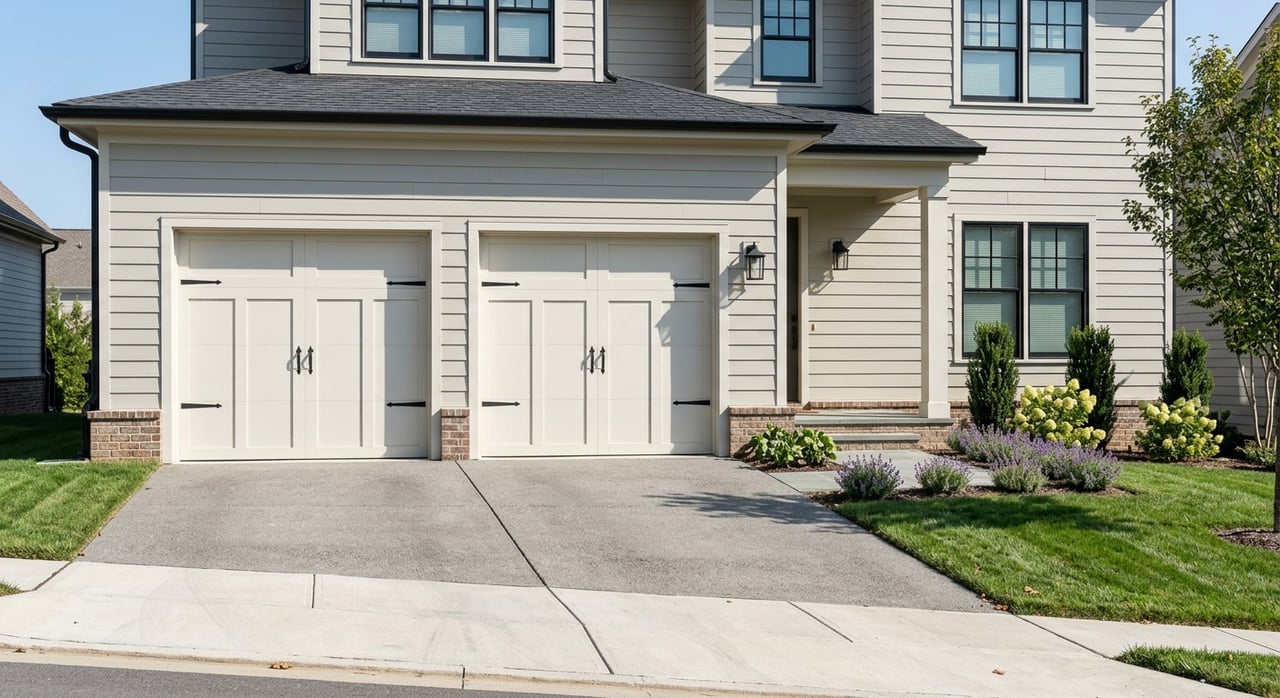
In practical terms, that supports what many buyers expect in a suburban search. You may be more likely to prioritize driveways, garages, and more yard space than a downtown lot usually provides.
Renovation flexibility matters
This is one of the most important differences buyers sometimes overlook. In Doylestown Borough, the historic district is an official zoning overlay, and the borough’s HARB reviews exterior changes, additions, demolition, and signs within the district.
That does not mean a historic property is the wrong choice. It simply means that where a home sits can affect how freely you can alter it over time, especially if you are thinking ahead about additions, exterior updates, or significant design changes.
In the suburban ring, buyers are often comparing homes with fewer historic-review questions. If flexibility for future updates is high on your list, this is a checkpoint worth reviewing early.
Parking and guest convenience
Borough parking realities
Parking is one of the clearest practical differences between in-town and suburban Doylestown. In the borough, Bucks County operates two garages, and the downtown core includes metered on-street parking, municipal lots, some 15-minute free spaces, permit options, and SEPTA lot parking.
The borough also notes that overnight parking should use free spaces on South Clinton Street or Bridge Street. For some buyers, that system feels manageable and convenient because so much is nearby. For others, it raises questions about second cars, visitor parking, or daily routine.
Township parking patterns
Suburban living usually shifts parking back onto the property itself or onto quieter residential streets. That difference can matter a lot if your household has multiple vehicles, regular guests, or a strong preference for simple day-to-day parking.
If parking stress is a dealbreaker for you, the township may offer a better fit. If being close to downtown matters more than having extra parking on-site, the borough may still win out.
Commute and transportation choices
Rail access
For train users, Doylestown Station is a key advantage. SEPTA’s Lansdale/Doylestown Line terminates at Doylestown Station at 130 South Clinton Street, which can make borough living especially attractive if you want to walk or bike to rail service.
Even if you live outside the borough, a short drive to the station or to a park-and-ride may still work well. The question is whether rail access is a nice bonus or a regular part of your schedule.
Driving routes
Both the borough and township have strong access to major roads, but the experience is a bit different. The borough notes access from Route 611 and US 202, while township state roads include Route 611, Route 202, and Route 263.
PennDOT also identifies the US 202 and PA 611 Doylestown Bypass as a major traffic corridor serving Doylestown Borough and adjacent townships. If most of your routine happens by car, it is worth thinking about how quickly you want to reach those routes from home.
How to decide what fits you best
When buyers compare in-town and suburban Doylestown, the decision usually becomes clearer when you focus on a few daily-life questions.
In-town Doylestown may fit if you want:
- Walkable access to shops, dining, museums, and downtown destinations
- Closer proximity to Doylestown Station
- A home with older architectural character
- A lifestyle that feels more connected to the center of town
Suburban Doylestown may fit if you want:
- More yard space and a more residential setting
- Easier on-property parking for multiple cars
- Quick access to parks, trails, and neighborhood recreation
- Fewer concerns about historic-district exterior review
A simple buyer checklist
Before you choose, ask yourself:
- How often will you use the train at Doylestown Station?
- How important is walkability in your weekly routine?
- Do you need space for guests or multiple cars?
- Are you comfortable with possible historic-district review for exterior changes?
- Would you rather be near downtown destinations or closer to larger parks and trails?
Those answers often point to the right side of the borough-versus-township decision. Once you know how you want to live, the home search gets much more focused.
Choosing between in-town and suburban Doylestown is less about which option is better and more about which one supports your everyday life. If you want thoughtful guidance on neighborhoods, housing style, and the practical tradeoffs that matter most, Nick Esser can help you narrow the search with a clear local strategy.
FAQs
Should buyers choose Doylestown Borough for walkability?
- If walkability is a top priority, Doylestown Borough may be a strong fit because the borough describes itself as walking-friendly and places shopping, dining, museums, and the train close to the downtown core.
Does suburban Doylestown usually offer more outdoor space?
- In many cases, yes. The suburban ring around the borough, especially Doylestown Township, is more space-oriented and includes extensive parks, trails, and neighborhood-style residential areas.
What should buyers know about parking in Doylestown Borough?
- The borough uses a mix of garages, metered on-street parking, municipal lots, permit options, and certain free spaces, so buyers should think carefully about daily parking habits, guests, and second cars.
Are there renovation limits in Doylestown’s historic district?
- Properties within the borough’s historic district may be subject to HARB review for exterior changes, additions, demolition, and signs, so location can affect renovation flexibility.
Is Doylestown Township better for commuters who drive?
- It can be a good fit for drivers who want direct access to major local roads, since township state roads include Route 611, Route 202, and Route 263, while the broader area is also served by the US 202 and PA 611 Doylestown Bypass corridor.
Is Doylestown Borough better for train access?
- It may be, especially if you want to walk or bike to SEPTA service, because the Lansdale/Doylestown Line terminates at Doylestown Station in the borough.