Wondering what kind of home you will actually find around New Hope? That is a smart question, because this area does not fit into one simple architectural box. If you are buying or selling here, it helps to understand how home style, setting, and local rules often go hand in hand. Let’s dive in.
Why New Hope Has So Much Variety
Around New Hope, the housing mix reflects both history and preservation. New Hope Borough has a historic river-crossing core and is described in the borough’s comprehensive plan as nearly built out. That means newer housing has often come through infill, attached homes, and building conversions rather than large new subdivisions.
Step outside the borough, and the feel changes. In Solebury and Buckingham, much of the rural and agricultural landscape remains visible. That is why you are more likely to see stone houses, barns, mill villages, and estate-style properties in those areas.
Historic Homes in New Hope Borough
If you picture a walkable setting near the river and canal, New Hope Borough is the anchor for that look. The borough says it has more than one hundred historic buildings, with the Delaware Canal and Delaware River shaping the heart of town. The result is a layered streetscape with homes and buildings from different periods, not one single architectural style.
The borough’s design guidelines identify a wide range of historic styles. These include Georgian, Colonial Vernacular, Federal, Italianate, Gothic Revival, French Second Empire, Queen Anne, Colonial Revival, Tudor Revival, American Four-Square, and other vernacular forms. In practical terms, that means your next home in New Hope may have very different lines, materials, and proportions from the one next door.
What the Borough Look Feels Like
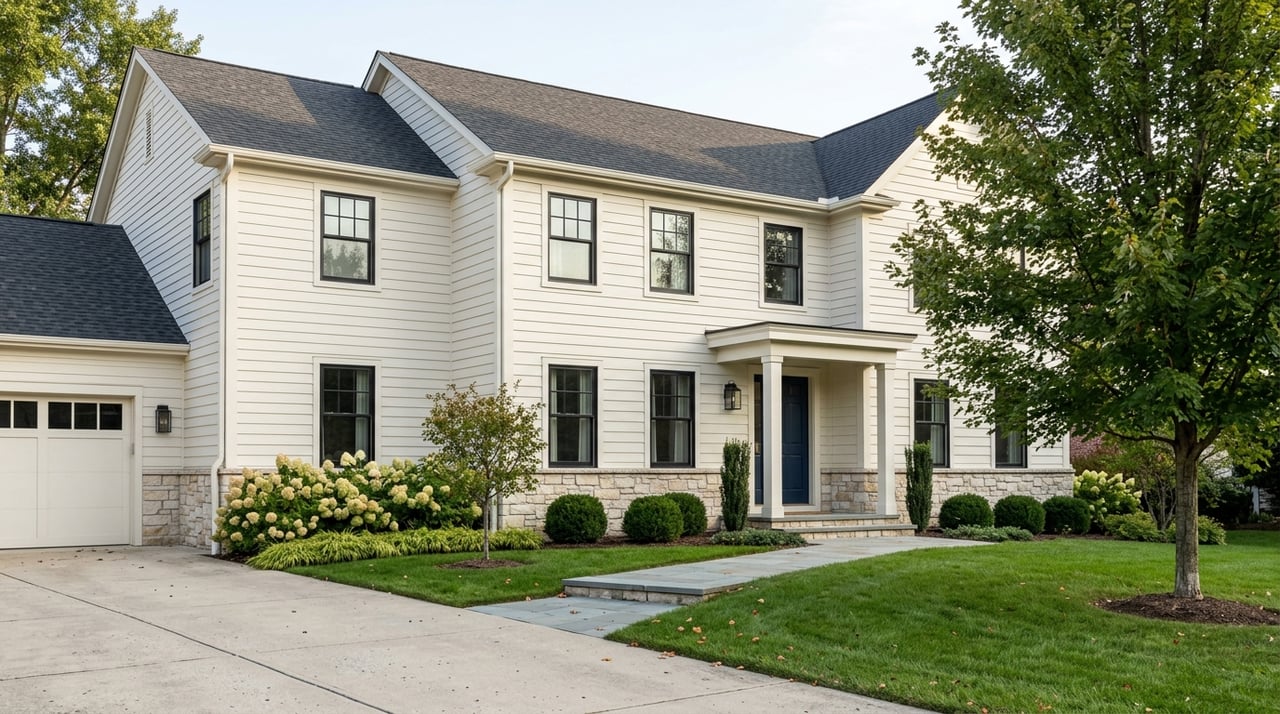
In the borough, homes often sit closer together in a village-style pattern. You may also see older buildings that have been converted to residential use, along with attached housing in and around the historic core. This creates a compact, established feel that stands apart from more spread-out suburban development.
For buyers, that can mean charm, walkability, and architectural character. For sellers, it means the style and condition of exterior features can matter a great deal in how the home is perceived.
Historic Review Matters
In New Hope Borough’s historic district, some exterior work may require a Certificate of Appropriateness. The borough’s HARB and Borough Council review items such as design, massing, arrangement, texture, material, and color. Interior changes are generally outside HARB jurisdiction.
If you are buying a historic home, it is wise to understand those rules early. If you are selling, it helps to flag past exterior work or future improvement plans up front so buyers know what to expect.
Stone Farmhouses in Solebury and Buckingham
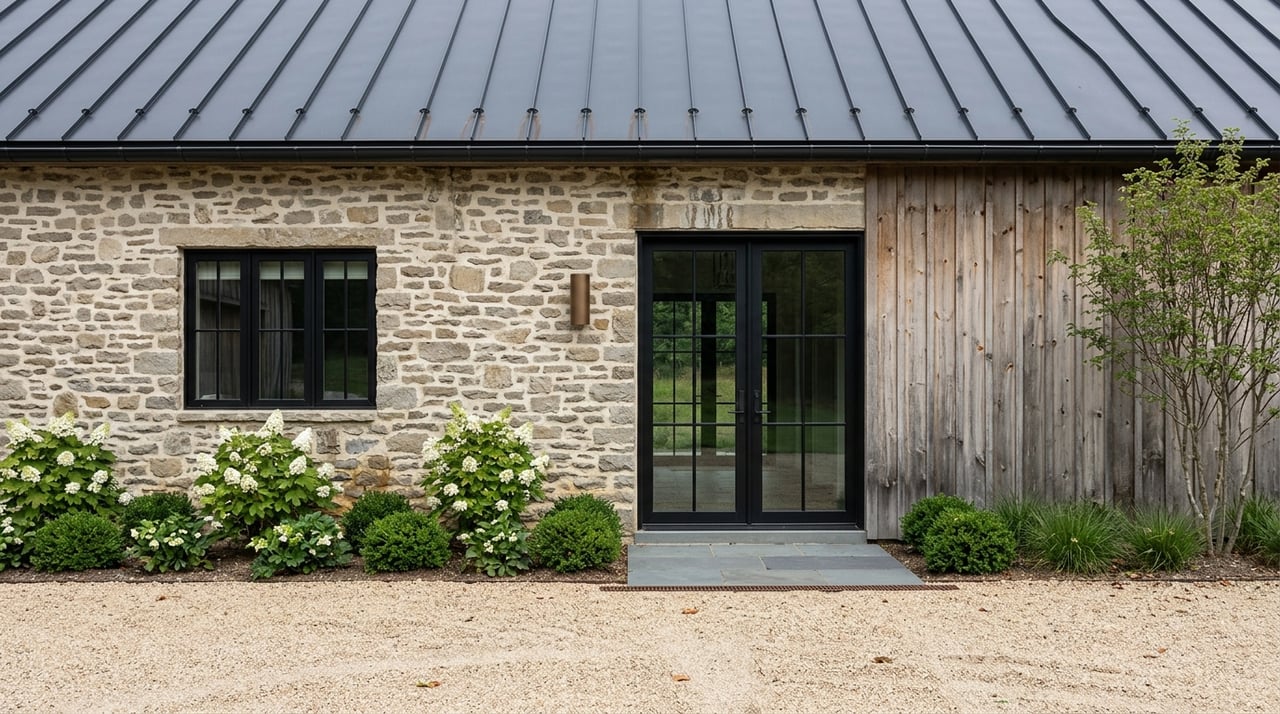
When people think of the classic Bucks County look, this is often what they mean. Solebury’s history notes that early modest log homes were followed by traditional fieldstone houses that still dot the landscape. Stone remains one of the defining visual elements in the township.
Buckingham also carries that strong Bucks County identity. Its history points to old stone houses and barns shaped by English and German architectural traditions, while its comprehensive planning documents identify farm buildings, mills, walls, hedgerows, and rural roads as part of its historic resources.
Why These Homes Stand Out
Stone farmhouses tend to feel rooted in the land around them. In Solebury and Buckingham, the setting often adds as much appeal as the house itself. Rural roads, preserved open areas, barns, and older outbuildings all contribute to the experience of the property.
That connection between house and landscape is a major reason these homes continue to stand out in the local market. Buyers are often drawn to the craftsmanship, materials, and sense of history that newer homes usually cannot replicate.
Expect a Range of Property Types
Not every home in Solebury or Buckingham is an untouched historic farmhouse. You may also find updated houses, larger estate lots, and properties where historic elements mix with modern improvements. Buckingham’s history even notes a substantial shift from rural to suburban since the mid-1970s.
That mix gives buyers more options. You might find a traditional stone exterior with a more current interior layout, or a rural setting with a home that has been expanded over time.
Barn Conversions and Mill Properties
Adaptive reuse is part of the local story around New Hope. In Solebury, historic references note that artists converted barns into studios, while places like Phillips Mill and Lumberville preserve the character of older milling and village life. That makes converted barns and mill-related buildings feel authentic to the area, not out of place.
These properties can offer a different kind of appeal from a standard single-family home. You may see dramatic interior spaces, unusual layouts, exposed structural elements, or a strong connection to the property’s original use. For the right buyer, that kind of home offers character that is hard to duplicate.
From a seller’s perspective, these homes benefit from thoughtful presentation. Their story, condition, and design details usually need to be framed clearly so buyers understand what makes them special.
Modern Homes and Attached Options
If you are looking for lower-maintenance living or a more updated layout, the New Hope area also includes modern and attached housing choices. New Hope’s comprehensive plan notes that older industrial buildings along the riverfront were converted to residential use and identifies attached housing concentrations at Waterworks and Waterview. Later development also included communities such as Riverwoods, Waterview, and New Hope Manor.
Because the borough is close to buildout, large detached-home development opportunities are limited. As a result, newer housing in and around New Hope often appears as infill, conversion, or attached product rather than conventional tract-style suburban development.
River-View Townhomes and Condos
One of the more distinct segments of the local market is river-view attached housing. In practical terms, that can mean townhome or condo options that pair water views with a lower-maintenance lifestyle. For some buyers, that is an appealing alternative to maintaining a large lot or older detached home.
These homes can also offer a different lifestyle fit. If you want proximity to the borough core, scenic surroundings, and less day-to-day upkeep, attached housing may be worth a closer look.
Where Each Home Style Tends to Cluster
Style and setting are closely linked around New Hope. While there is always some overlap, certain areas are more strongly associated with certain home types.
| Area | What You’re More Likely to Find |
|---|---|
| New Hope Borough | Older homes, converted buildings, attached housing, compact historic streetscapes near the canal and river |
| Solebury | Fieldstone farmhouses, preserved mill villages, converted barns, wooded and village-scale settings |
| Buckingham | Stone houses, barns, farm-road character, larger rural parcels, estate-lot feel |
This is helpful whether you are buying or selling. Buyers can focus their search more efficiently, and sellers can position their home within the larger local story.
What Buyers Should Keep in Mind
If you are shopping around New Hope, the first step is matching your lifestyle to the right setting. A historic borough home, a stone farmhouse in Solebury, and a river-view townhome can each offer something very different in terms of upkeep, privacy, layout, and future changes.
It also helps to look beyond style alone. Exterior review requirements in historic districts, lot size, outbuildings, and the age of the structure can all shape your ownership experience. Understanding those factors early can save time and reduce surprises.
What Sellers Should Keep in Mind
If you are selling, your home style should guide your preparation strategy. A historic borough property may need careful attention to visible exterior details and documentation related to prior improvements. A farmhouse or barn conversion may benefit from highlighting original materials, setting, and architectural character.
Presentation matters across every price point, but especially with distinctive homes. Buyers respond best when the home’s design, condition, and lifestyle advantages are clear from the start.
That is where a thoughtful, hands-on approach can make a real difference. From listing preparation to staging and contractor coordination, strong planning helps unique properties show at their best.
If you are thinking about buying or selling around New Hope, Nick Esser brings local market knowledge, attentive guidance, and polished marketing to every step of the process.
FAQs
What home styles are common in New Hope Borough?
- New Hope Borough is known for older historic homes, converted residential buildings, attached housing, and a mix of styles including Federal, Italianate, Queen Anne, Colonial Revival, Tudor Revival, and more.
Where can you find stone farmhouses near New Hope?
- Stone farmhouses are most strongly associated with Solebury and Buckingham, where fieldstone houses, barns, and rural landscapes remain an important part of the area’s character.
Are there modern townhomes and condos around New Hope?
- Yes. New Hope includes attached housing and residential conversions, including townhome and condo options in areas such as Waterworks and Waterview.
Do historic homes in New Hope have exterior review rules?
- Yes. In New Hope Borough’s historic district, some exterior work may require a Certificate of Appropriateness and review by HARB and Borough Council.
Which area fits buyers who want lower-maintenance living near New Hope?
- Buyers looking for lower-maintenance living may want to explore attached housing and townhome or condo options in and around New Hope Borough, including some river-view properties.