Thinking about trading Philadelphia’s fast pace for a river town with more charm, more space, and a very different daily rhythm? New Hope can be a compelling move, but it helps to know that this is not just a smaller version of city life. If you are considering the switch, understanding how New Hope feels day to day, how the housing market behaves, and what buyers often overlook can help you make a smarter move. Let’s dive in.
New Hope Feels Different From Day One
New Hope Borough is small in size but big in identity. Census data shows about 2,622 residents living within roughly 1.3 square miles, and the borough is widely known as a regional destination for arts, shopping, restaurants, historic inns, and riverfront scenery.
That means your experience of living here is shaped not only by residents, but also by visitors. New Hope has a lively, leisure-oriented atmosphere, especially in the downtown core, where walkability is a real perk and much of the appeal is tied to Main Street, the Delaware River, and the town’s historic character.
Weekdays and weekends feel different
One of the biggest adjustments for someone moving from Philadelphia is that New Hope can feel calm midweek and much busier on weekends. The borough notes that visitor traffic increases sharply on weekends, and summer parking can fill quickly.
If you are house hunting, that matters more than you might think. A home that feels peaceful during a Tuesday showing may feel very different on a Saturday afternoon when downtown is active and parking is tight.
Walkable core, but not city transit living
New Hope does offer a compact, walkable town center. You can enjoy local shops, restaurants, scenic strolls, and cultural spots without needing to drive every block.
Still, this is not a transit-oriented place in the way Philadelphia is. If you are used to building your day around trains, buses, and walkable errands across multiple neighborhoods, New Hope will feel more car-dependent overall.
Your Commute Will Likely Change
For many Philadelphia buyers, the biggest lifestyle shift is transportation. Visit Philadelphia describes the trip from Philadelphia to New Hope as about an hour by car via I-95 and Route 32, and local commuting patterns reflect that this is largely an automobile-based town.
Census data shows a mean commute of 34.8 minutes in New Hope, which is above the broader Philadelphia-Camden-Wilmington metro average. The same data shows 44% of workers drive alone, 7% carpool, 1% use public transit, 8% walk, and 35% work from home.
Remote work fits New Hope well
If you work from home full time or even part of the week, New Hope may feel like a natural fit. A relatively large share of residents work remotely, which supports the idea that the town works especially well for buyers who want lifestyle first and fewer daily ties to a city commute.
If your job still requires regular travel into Philadelphia, it is worth being realistic about the routine. This move often means giving up transit-rich convenience in exchange for a more scenic, slower-paced home base.
New Hope Housing Has Character and Variety
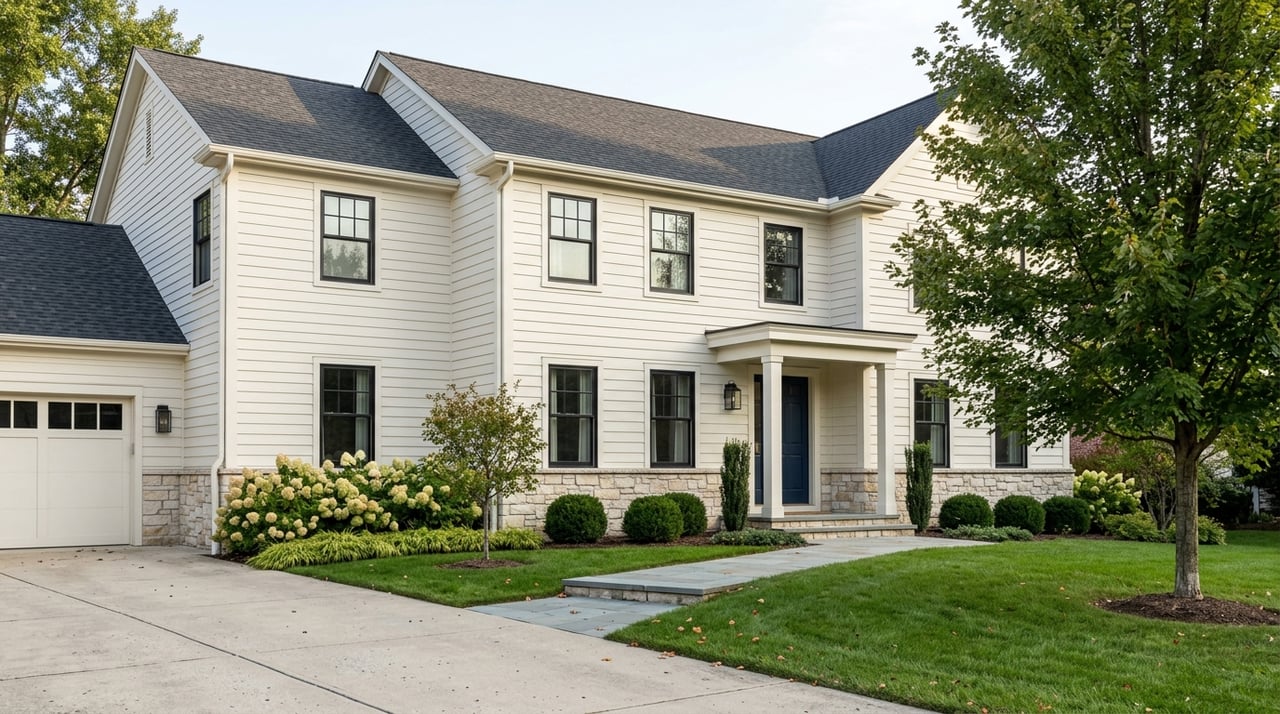
One reason buyers are drawn to New Hope is that the housing stock often feels more distinctive than what you may be comparing it to in Philadelphia. The borough’s historic district includes a wide mix of architectural styles, including Georgian, Federal, Italianate, Queen Anne, Colonial Revival, Tudor Revival, American Four-Square, and other vernacular forms.
Traditional materials such as wood, stone, stucco over fieldstone, stone foundations, and slate or sheet-metal roofs are part of that architectural story. For buyers, this often translates into homes with more visual character, more age, and sometimes more maintenance considerations.
Expect a multi-tier market
New Hope is not a one-price market. It is better understood as a place where condos, townhomes, single-family houses, and high-end properties can all exist within a relatively small borough.
Recent sold examples cited in market reporting have ranged from around $320,000 for a condo or townhome to more than $2 million for a Bridge Street property. That spread helps explain why New Hope can attract both lifestyle buyers looking for a lower-maintenance entry point and buyers searching for premium river-town real estate.
Prices Are Higher Than Philadelphia
For many Philadelphia buyers, price is the second major adjustment after commute. New Hope sits firmly in the premium tier of the local market.
Realtor.com reports a median listing price near $1.995 million, a median price per square foot of $472, around 85 homes for sale, a median of 30 days on market, and a 97% sale-to-list ratio. It also classifies New Hope as a seller’s market.
By comparison, recent market reporting cited Philadelphia’s median sale price at $280,000. That does not mean every New Hope home is in the luxury bracket, but it does mean that many buyers coming from the city experience sticker shock at first.
Why the premium can still make sense
Buyers are often paying for a combination of factors rather than just square footage. In New Hope, that can include historic character, river-town setting, walkability to downtown amenities, and a lifestyle that feels more destination-oriented than purely residential.
For the right buyer, the move is less about finding a cheaper version of city life and more about choosing a different kind of daily experience.
Buying Here Requires Preparation
Because homes can move quickly, preparation matters. With a median market time of about 30 days and seller’s-market conditions, buyers should be ready to move decisively when the right property appears.
That does not mean rushing blindly. It means getting clear on budget, priorities, and offer strategy before you fall in love with a listing.
What smart buyers do before touring
If you are relocating from Philadelphia, a few early steps can make the process smoother:
- Get pre-approved before active touring begins
- Decide which compromises you can accept on commute, parking, and lot size
- Tour on both a weekday and a weekend if possible
- Compare walk-to-town homes with more tucked-away options
- Ask early about renovation plans, flood considerations, and closing costs
This kind of preparation helps you react quickly without feeling unsteady.
Historic Homes Can Come With Extra Steps
If you are drawn to New Hope’s older homes, it is important to understand the local review process. In the borough’s historic district, exterior work requires a Certificate of Appropriateness through the HARB process.
The borough asks applicants to submit materials at least 21 business days before the monthly HARB meeting. If you are buying a home with plans to replace windows, update exterior materials, modify roofing, or make other visible changes soon after closing, this timeline should be part of your planning.
Character is a benefit, but due diligence matters
Historic homes can offer incredible charm and a strong sense of place. They can also require more thought around materials, maintenance, and approvals than a newer property might.
That does not make them harder to love. It simply means you should enter the purchase with a clear picture of what ownership may involve.
Closing Costs and Taxes Deserve Attention
A move from Philadelphia to New Hope can also bring different expectations around transaction costs. In Pennsylvania, the realty transfer tax is 1% at the state level, and Bucks County says the total transfer tax is 2% when the local share is included.
That tax is paid at recording. It is also separate from annual property tax bills, which New Hope Borough notes come from the county, borough, and New Hope-Solebury School District.
Confirm fees with your settlement team
Recording fees can change, and Bucks County publishes a current fee schedule through the Recorder of Deeds. In practical terms, that means you should confirm current recording costs with your settlement agent rather than relying on old estimates.
This is one of those details that is easy to overlook when you are focused on purchase price and monthly payment. A little clarity upfront can prevent surprises later.
Flood Diligence Is Important Near the River
New Hope’s river setting is part of its appeal, but it also means some properties deserve extra review. If you are considering a river-adjacent or low-lying parcel, flood insurance and elevation details should be part of your due diligence.
This is especially important if two homes seem similar on paper but differ in location, lot conditions, or long-term carrying costs. Scenic value is real, but so is the need to understand property-specific risk before you buy.
What the Move Really Comes Down To
Moving from Philadelphia to New Hope is usually a trade. You are often giving up some city convenience and transit access in exchange for a smaller-town setting, a more weekend-driven rhythm, older and more character-filled housing, and a higher-priced market with strong lifestyle appeal.
For many buyers, that trade is exactly the point. If you want expert guidance on comparing neighborhoods, understanding property types, and navigating the New Hope market with confidence, connect with Nick Esser.
FAQs
What is daily life in New Hope like for someone moving from Philadelphia?
- New Hope offers a smaller, walkable downtown core with shops, restaurants, arts, and riverfront scenery, but it feels less transit-oriented and more influenced by weekend visitor traffic than Philadelphia.
What should Philadelphia buyers know about commuting to and from New Hope?
- New Hope is much more car-dependent, and travel from Philadelphia is typically about an hour by car, so buyers used to rail and subway routines should expect a meaningful lifestyle shift.
What is the New Hope housing market like right now?
- Current reporting places New Hope in a seller’s market, with a median listing price near $1.995 million, about 30 median days on market, and strong competition for desirable homes.
What makes New Hope homes different from many Philadelphia homes?
- New Hope includes a wide range of historic architectural styles and traditional materials, so buyers often find more visual character along with added maintenance and renovation considerations.
What should buyers know about renovating a historic home in New Hope?
- If the home is in the borough’s historic district, exterior work requires a Certificate of Appropriateness, and the borough asks for submission at least 21 business days before the monthly HARB meeting.
What taxes and closing costs matter when buying a home in New Hope?
- Buyers should plan for Pennsylvania realty transfer tax, which totals 2% in Bucks County with the local share included, and should also confirm current recording fees with their settlement agent.
What should buyers watch for with river-adjacent homes in New Hope?
- Buyers should take extra care with flood insurance, elevation, and parcel-specific due diligence when considering homes near the Delaware River or in low-lying areas.